

Whether you’re producing a company handbook, instructional guide, product catalog, or any other multi-page material, professional binding instantly elevates the look and feel of your project.
Choosing the right binding method doesn’t just improve appearance — it also affects durability, usability, and cost. With several options available, it can feel overwhelming to decide which one fits your needs. That’s why we’ve put together this simple guide to help you explore the most popular binding styles used in commercial printing and find the perfect match for your project.
Explore These Popular Binding Options
1. Perfect Binding
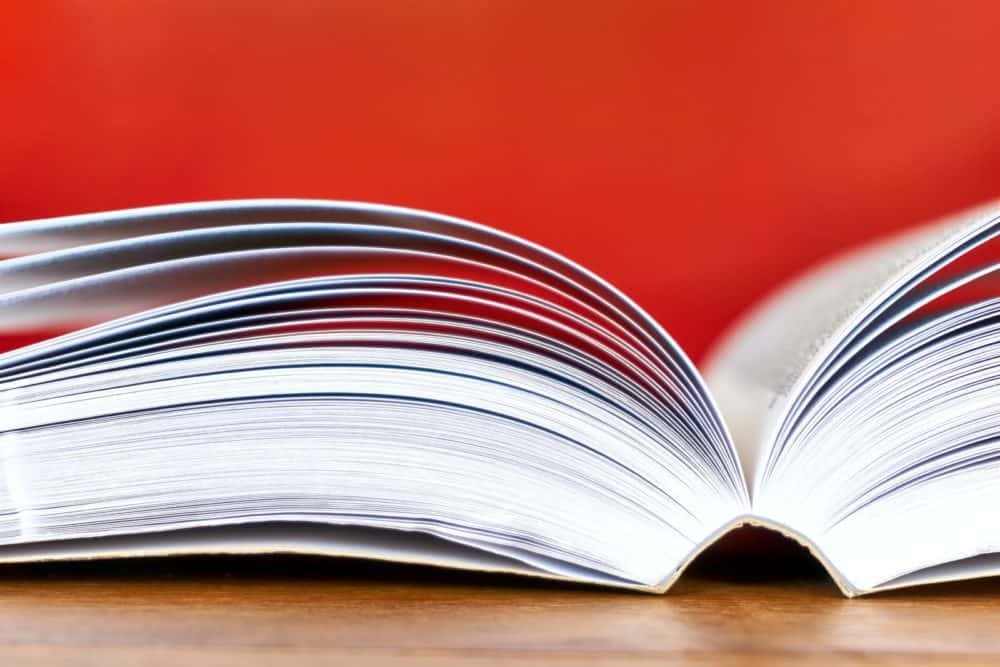
Perfect binding is most commonly used for softcover books and magazines. Pages are assembled in order, the spine edge is trimmed flat, and then everything is glued securely into a wraparound cover.
Because it relies on adhesive along the spine, perfect binding isn’t as rugged as hardcover methods — but it offers a clean, professional finish at a more budget-friendly price point. It’s ideal for catalogs, booklets, and paperback-style publications.
2. Case Binding

Case binding is the standard for hardcover books. Pages are first collated and sewn together to create a strong text block. That block is then glued into rigid front and back covers, forming a durable spine.
This method provides maximum strength and longevity, making it a great choice for premium books, reference materials, and keepsakes designed to last.
3. Coil Binding
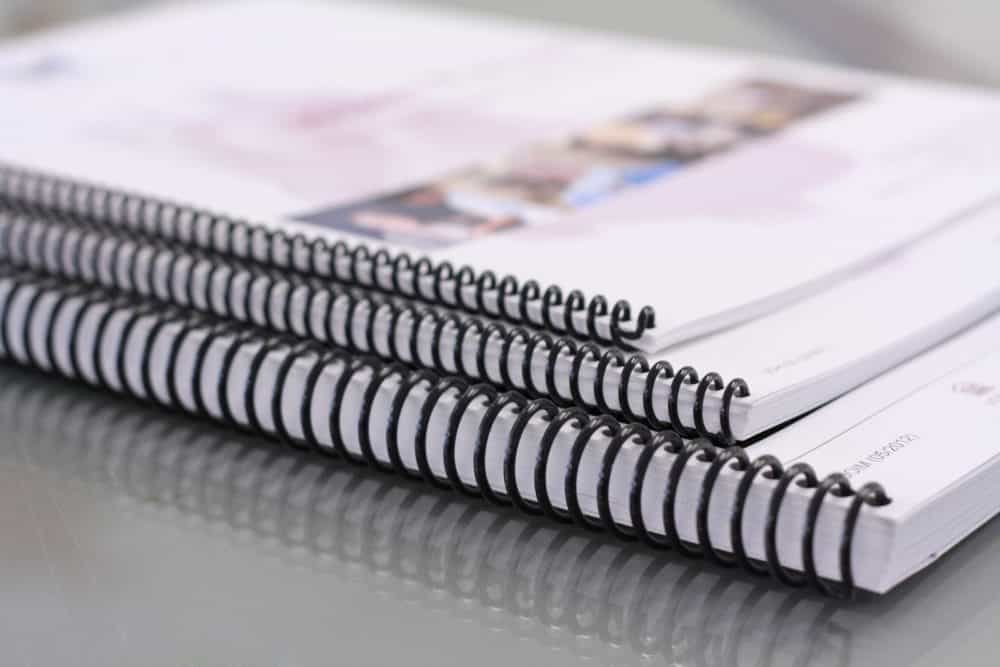
With coil binding, a continuous plastic or metal coil is threaded through holes punched along the spine. One major advantage is that documents can lay completely flat when open.
While coil binding is flexible and user-friendly, pages can’t be added or removed without cutting the coil, so it’s best for projects that won’t need future updates.
4. Comb Binding
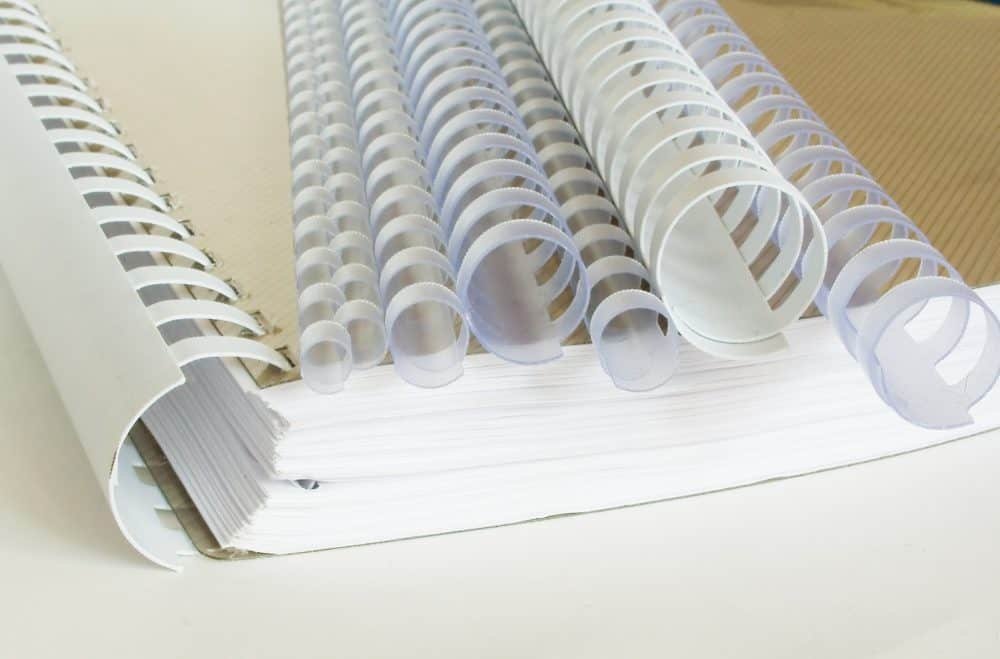
Also known as plastic comb binding, this method uses a reusable plastic comb inserted into rectangular holes along the edge of the pages.
Comb binding is especially practical for training manuals and internal documents because pages can be easily removed or replaced whenever updates are needed.
5. Wire-O Binding
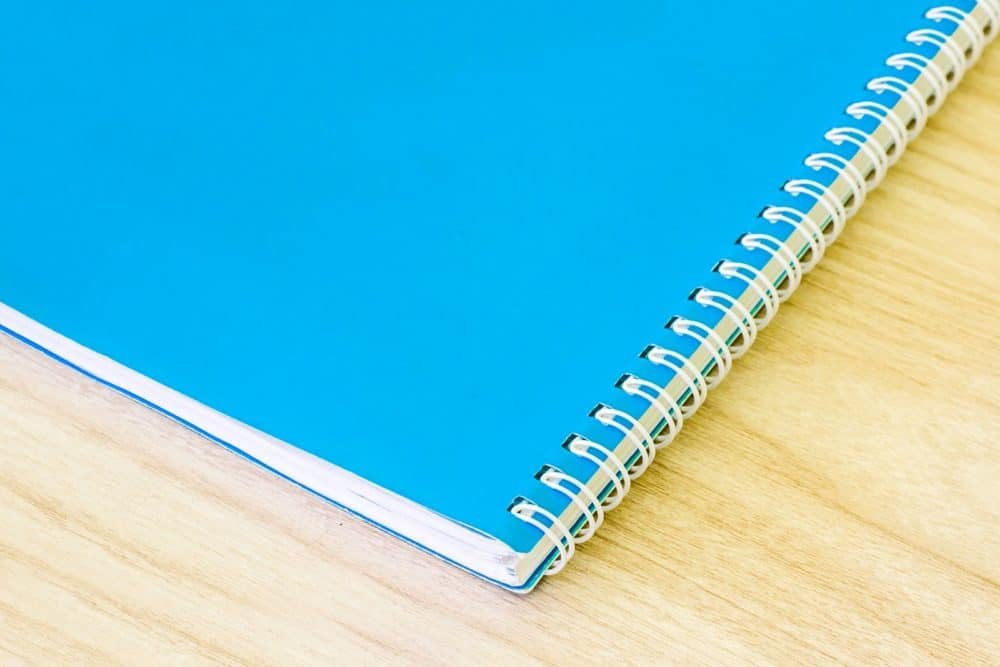
Wire-O binding uses double metal loops to secure pages together. It shares the lay-flat benefit of coil binding, but offers a more polished, professional look.
Like comb binding, Wire-O allows pages to be added or removed, and it’s more durable than plastic combs — making it a smart option for documents intended for long-term, frequent use.
Bring Your Project to Life with PixelPrintUSA
When it’s time to print and bind your materials, partner with a team that understands quality and detail.
At PixelPrintUSA, we help businesses turn ideas into beautifully finished printed products. From books and manuals to catalogs and custom projects, we handle everything from printing to binding — and our in-house design support can assist with layout and visual presentation if needed.
We offer both digital and offset printing, giving you flexibility to balance quality, quantity, and budget. Digital printing also makes print-on-demand possible, helping reduce storage costs and eliminate waste from over-ordering.
Beyond exceptional print quality, PixelPrintUSA is committed to responsive customer service and smooth project management — so you get not just great results, but a great experience from start to finish.
Contact PixelPrintUSA today for a custom quote and let’s create something impressive together.