
Restaurant Menu Printing Options: Finding the Perfect Fit for Your Brand
Share it on Social media
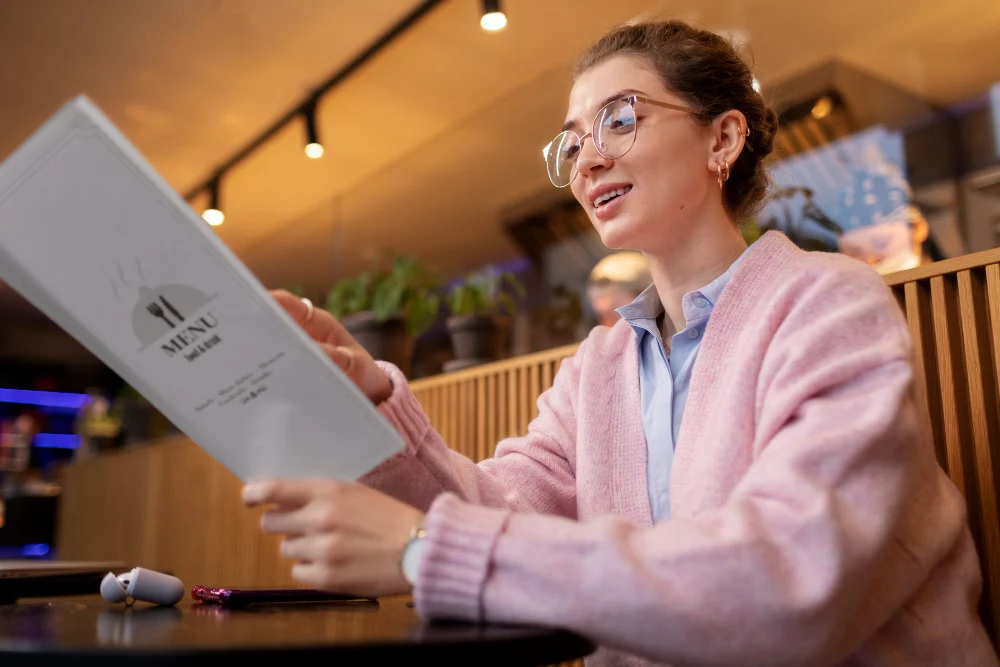
Before diners taste a single dish, they interact with one thing first—your menu. It sets expectations, shapes first impressions, and often determines what (and whether) customers order. That’s why investing in high-quality restaurant menu printing is essential.
Your menu is a direct reflection of your brand. From layout and typography to paper quality and finish, every detail communicates professionalism and attention to detail. With the right combination of design and printing options, your menu can elevate the dining experience and reinforce your restaurant’s identity. In this guide, we’ll explore menu printing formats, materials, and customization options to help you choose the perfect solution for your restaurant.
Why Menu Design and Materials Matter
Your menu is one of the first touchpoints diners have with your brand. Aligning your menu design with your restaurant’s identity creates a seamless experience from the moment guests sit down to the moment they place their order.
Beyond aesthetics, menus enhance the dining experience through both visual and tactile appeal. Whether your goal is a refined, upscale look or a fun and casual vibe, choices like color, texture, and paper stock bring that atmosphere to life.
Practicality also plays a role. Durable materials such as cardstock improve longevity, while laminated or coated menus make cleaning easier—an important consideration in busy dining environments.
Popular Menu Printing Options for Restaurants
If you’re deciding how to print your menu, here are some of the most popular and effective formats to consider.
Single-Page Menus
Single-page menus are simple, cost-effective, and easy to design. They work especially well for fast-casual restaurants or fine-dining establishments with concise offerings.
Most single-page menus are printed on both sides of an 8.5 × 11 sheet, though smaller formats like 5.5 × 8.5 can be ideal for elegant prix-fixe or limited menus. Printing on cardstock adds durability, helping menus last longer and reducing replacement costs over time.
However, if your restaurant offers a large selection of dishes, you may need a more spacious format.
Fold-Out Menus
Fold-out menus offer flexibility and creative freedom. Options such as bi-fold, tri-fold, or accordion styles allow you to organize menu sections clearly and guide diners through your offerings.
These menus are ideal for restaurants with extensive selections or those looking to incorporate storytelling elements, such as chef notes or food photography. Glossy papers enhance color vibrancy, while recycled stocks showcase an eco-conscious brand image.
Booklet Menus
Booklet menus are perfect for restaurants with large or specialty offerings, such as extensive wine lists or seasonal menus.
Popular binding options include:
- Saddle-stitch binding for a clean, polished look
- Spiral binding so menus lay flat on the table
- Corner-stapled binding for a fast, cost-effective solution
To elevate booklet menus, consider a thicker cover stock or enhancements like embossing your restaurant’s name for added visual and tactile appeal.
Specialized Menu Features to Consider
Looking to enhance functionality and style? These features can make a noticeable difference.
Waterproof and Spill-Resistant Menus
Spills are inevitable in restaurants. Waterproof or spill-resistant menus are especially useful in high-traffic environments where durability is essential.
Materials such as synthetic paper or coated stocks protect menus from moisture and extend their lifespan, even with frequent handling.
Laminated Menus
Lamination adds an extra layer of protection, making menus easy to clean and sanitize. This improves hygiene while extending durability.
You can choose between:
- Matte lamination for a refined, elegant look
- Gloss lamination for a vibrant, reflective finish
Eco-Friendly Printing Options
Sustainable menu printing is an excellent way to appeal to environmentally conscious diners. Options include recycled paper stocks, soy-based inks, and working with printers that use renewable energy.
Eco-friendly choices demonstrate social responsibility and help strengthen your brand’s reputation among mindful customers.
Matching Menu Printing to Your Brand
Your menu is a core element of your restaurant’s branding. Choosing materials and finishes that align with your brand identity is essential.
For example:
- Modern restaurants often prefer bright white or smooth papers for a clean look
- Upscale dining experiences may benefit from textured or linen-finish stocks
You can further enhance branding with premium techniques such as:
- Embossing to highlight your restaurant’s name or logo
- Die-cutting for unique and eye-catching shapes
- UV coating to add shine to specific elements or entire pages
Choosing the Right Menu Printing Partner
Bringing your menu to life requires an experienced printing partner. When selecting a printer, ask key questions such as:
- Do you offer waterproofing or specialty finishes?
- What customization options are available?
- What are your turnaround times and pricing structures?
The right answers will help ensure your menus meet both your creative and practical needs.
PixelPrintUSA: Your Trusted Menu Printing Partner
For years, PixelPrintUSA has helped restaurants create high-quality, durable, and visually stunning menus that enhance the dining experience. From local eateries to growing restaurant brands, we deliver menu printing solutions tailored to each client’s vision.
With premium materials, advanced printing technology, and a wide range of finishing options, PixelPrintUSA is committed to helping your restaurant stand out.
Contact PixelPrintUSA today to discuss your menu printing needs and discover how professionally printed menus can elevate your brand and delight your diners.